
If you’ve been thinking about upgrading your PC or building one from scratch, you’ve probably noticed something alarming graphics cards are getting absurdly expensive. The Nvidia RTX 5090, which launched at $1,999 just last year, is now reportedly heading toward $5,000. That’s not a typo. So what’s going on, and should you be worried? Let’s break it down from the ground up and use some business frameworks along the way to understand what’s really happening.
What’s Actually Happening
Both Nvidia and AMD are planning a gradual price adjustment over several months, with AMD hiking prices as early as January 2026 and Nvidia following in February. The increases are hitting consumer GPUs first, including Nvidia’s GeForce RTX 50 series and AMD’s Radeon RX 9000.
The root cause? Memory. Industry experts suggest that memory costs now account for nearly 80% of a GPU’s total manufacturing cost. And memory prices are rising sharply because of one force reshaping the entire tech industry artificial intelligence.
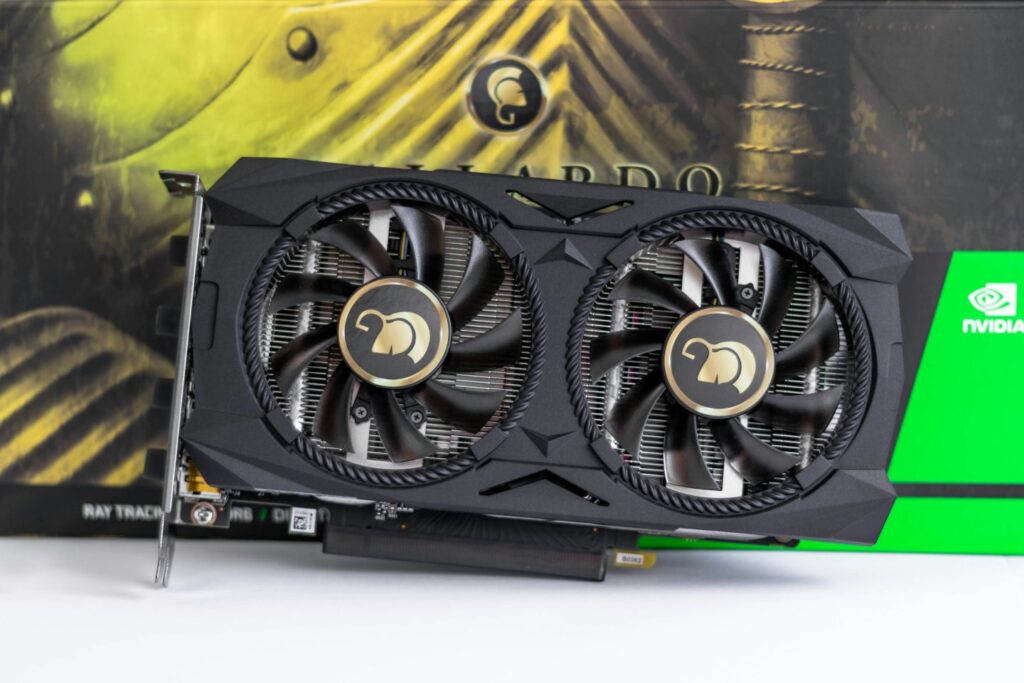
Nvidia RTX 50 series now heading toward $5,000
Nvidia’s Blue Ocean Move, Brilliant Strategy, Painful Side Effect
To understand why Nvidia is letting consumer GPU prices spiral, you need to understand what the company has quietly done over the last few years.
In Blue Ocean Strategy terms, Nvidia has sailed out of the red ocean of consumer gaming a brutally competitive, margin-thin market and into a blue ocean of AI infrastructure, where demand is exploding and competition is limited. By positioning its chips (especially the H100 and Blackwell series) as the backbone of AI data centres worldwide, Nvidia has created an almost uncontested market space where it can charge extraordinary prices with extraordinary margins.
The side effect? Consumer GPUs the GeForce RTX series that gamers love are now a lower priority. There are already reports that Nvidia is cutting production of the RTX 5060 Ti and RTX 5070 by 30-40% to reallocate limited VRAM supply to higher-margin AI chips. Gamers are essentially being deprioritised in favour of data centres. From a pure business strategy standpoint, it’s a masterstroke. From a consumer standpoint, it stings.
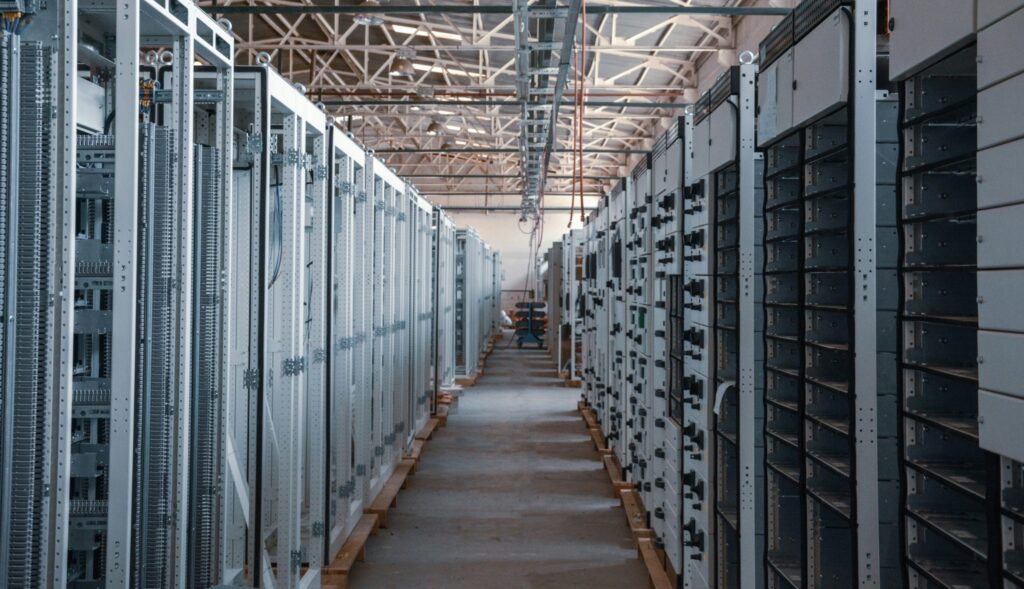
AI data centres are driving VRAM demand
Porter’s Five Forces Why Nvidia Can Get Away With This
Why can’t consumers just switch to a cheaper alternative? A quick look through Porter’s Five Forces framework explains why Nvidia holds all the cards right now.
Threat of new entrants — Low. Building a competitive GPU requires billions in R&D, manufacturing relationships with TSMC, and years of software ecosystem development. No new player is walking in anytime soon.
Bargaining power of suppliers — High. TSMC manufactures Nvidia’s chips, and with AI demand overwhelming capacity, Nvidia isn’t calling all the shots at the foundry level either. Supply constraints are real.
Bargaining power of buyers — Low. Whether you’re a gamer or an AI company, if you want the best GPU performance, Nvidia is your answer. There’s limited room to negotiate.
Threat of substitutes — Moderate. AMD and Intel offer alternatives, but neither matches Nvidia’s performance at the high end or its CUDA software ecosystem, which developers are deeply locked into.
Competitive rivalry — Moderate but growing. AMD is closing the gap slowly, and Intel’s Arc GPUs are an emerging wildcard. But for now, Nvidia’s dominance is intact.
The conclusion? Nvidia operates in a near-monopolistic sweet spot in the high-end GPU market, giving it the pricing power most companies can only dream of.
The Supply Chain Reality An Operations Perspective
From an operations standpoint, what we’re witnessing is a classic supply-demand mismatch with AI demand completely disrupting the supply chain equilibrium that consumer GPU markets had settled into.
Think of it in terms of takt time the rate at which products need to be produced to meet demand. The takt time for AI chips is being aggressively compressed as data centres worldwide race to build out infrastructure. This means chip fabs like TSMC are being pushed to prioritise high-value AI orders, leaving consumer GPU production with longer lead times and tighter supply.
Add to this the DRAM crisis. Prices for GDDR6 and GDDR7 memory the kind used in consumer GPUs have surged because the same memory is now competing for allocation with AI infrastructure. The supply chain simply cannot serve both markets equally, and AI wins every time because it pays more.
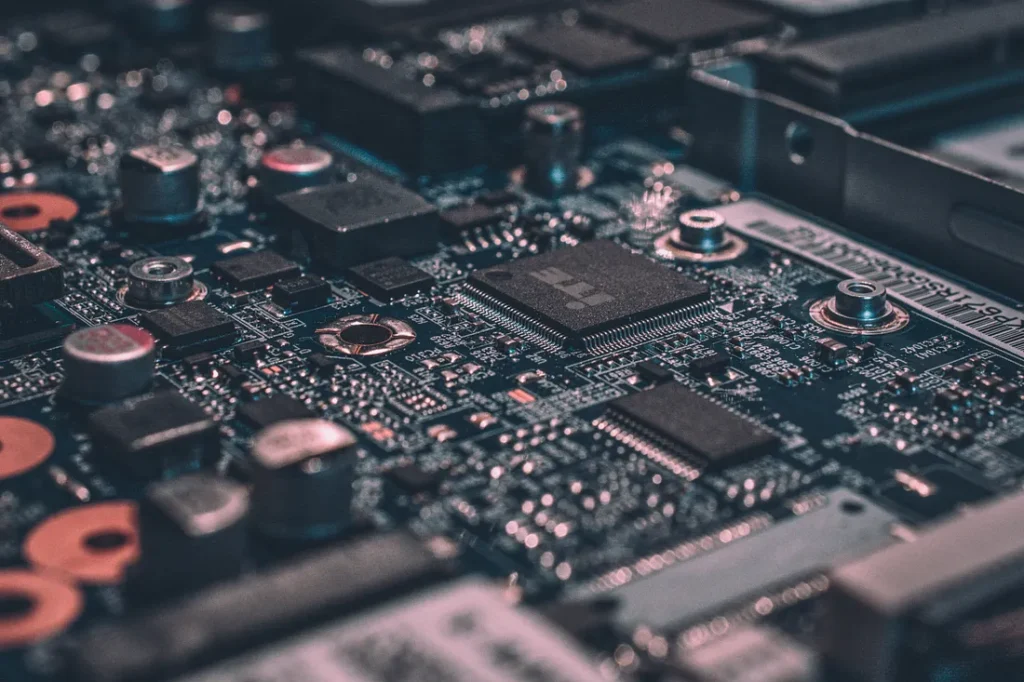
VRAM supply is being redirected from gaming to AI infrastructure
Who Gets Hurt And the Consumer Psychology Angle
The RTX 5090 heading toward $5,000 is obviously bad news for high-end gamers. But the real damage is deeper and more widespread.
From a consumer psychology perspective, price anchoring matters enormously. When a product that was $1,999 last year is now $5,000, it doesn’t just affect buyers of that specific product it shifts the entire market’s perception of what GPUs cost. Mid-range cards get pulled upward. Budget cards that were already stretched become the new mid-range. The entire pricing ladder climbs.
For emerging markets like India, this is particularly painful. GPU prices were already inflated due to import duties and currency conversion. A 40-60% global price increase on top of that effectively puts high-end hardware out of reach for a huge section of the market students, indie developers, small studios, and content creators who were already buying at the edge of their budgets.
The Bigger Economic Picture, AI as a Growth Driver
Zoom out further and there’s an interesting macroeconomic angle here. The Solow Growth Model tells us that long-run economic growth is driven not just by capital accumulation but by technological progress total factor productivity. AI represents exactly that kind of technological leap.
The massive investment flooding into AI infrastructure of which Nvidia is a primary beneficiary is essentially the economy front-loading investment in a technology expected to dramatically boost productivity across industries. In that sense, the GPU price spike is a symptom of something larger: the economy repricing the inputs to what many believe will be the next general-purpose technology, much like electricity or the internet.
That doesn’t make the price hikes easier to swallow. But it does explain why they’re happening and why they’re unlikely to reverse quickly.
What Happens Next
Nvidia isn’t completely abandoning the consumer market. Rumours suggest the company may bring back older models like the RTX 3060 to fill the gaming demand gap a classic market segmentation move, serving price-sensitive consumers with older technology while protecting premium margins on new products.
Whether GPU prices stabilise will largely depend on two things: how long the AI investment boom continues, and how quickly memory manufacturers can scale up GDDR production to serve both markets. Neither is happening overnight.
The Ground Floor Take
Nvidia’s story in 2026 is a masterclass in strategic pivoting and a cautionary tale about what happens to consumers when a company successfully repositions itself in a higher-value market. Using Blue Ocean Strategy, Nvidia found uncontested territory in AI. Using its Porter’s Five Forces advantages, it maintained pricing power. And through all of it, the supply chain simply couldn’t keep up.
For regular consumers and gamers, the message is uncomfortable but clear: you are no longer Nvidia’s primary customer. AI data centres are. And until that changes or until AMD or Intel fills the gap GPU prices are likely to stay painful.
This is what happens when technology stops being a consumer product and becomes critical infrastructure. The market reprices accordingly. And we all pay for it.
Where do you stand is Nvidia making the right call prioritising AI over consumers, or has it lost touch with the community that built its brand? Drop your thoughts in the comments below.



Pingback: Global AI Investment Race 2025 — Who's Winning? - Ground Floor Analyst